What Is Sea Freight Forwarding and How Does It Work?
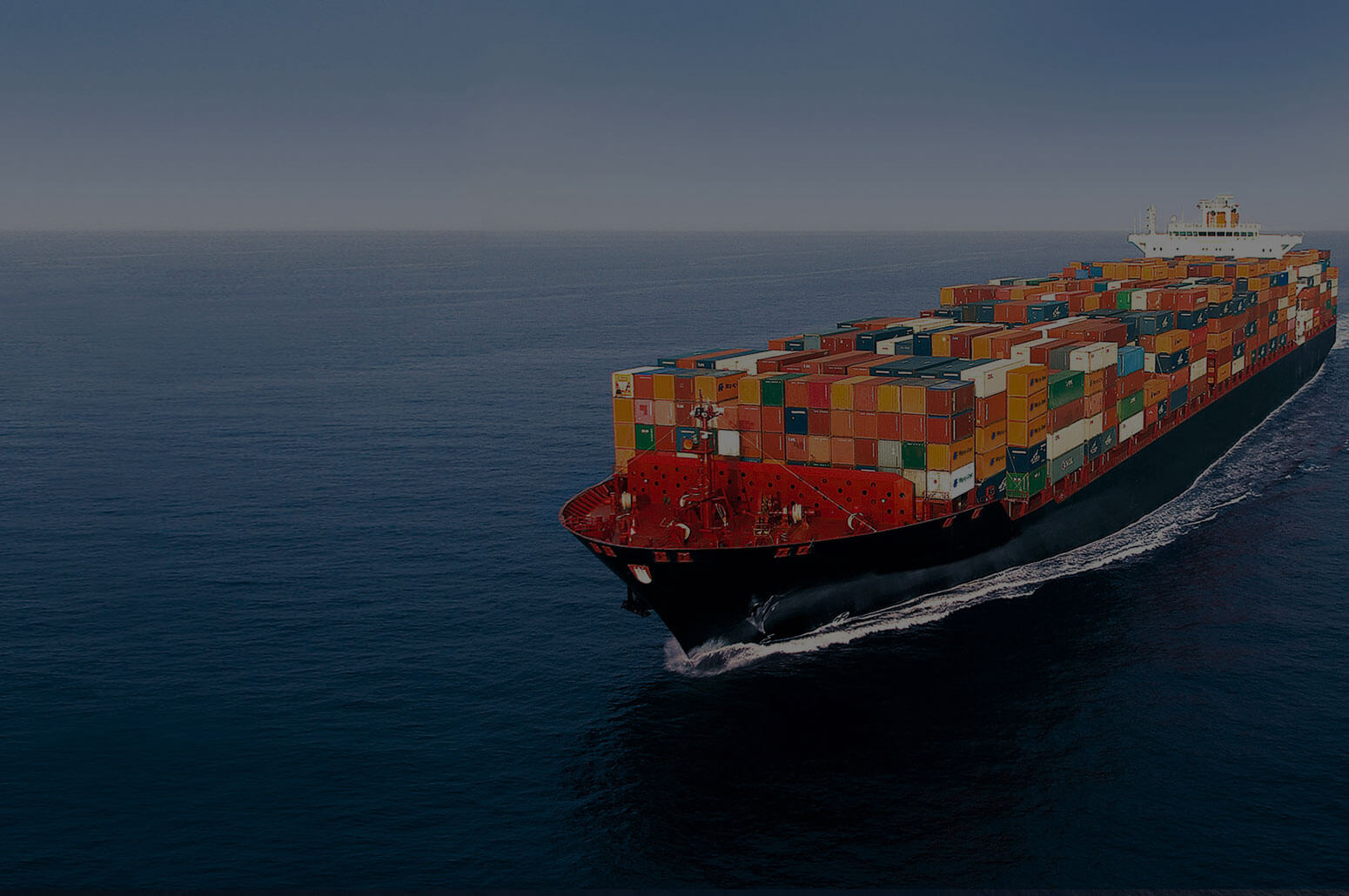
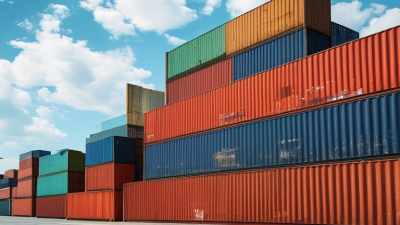
Sea Freight Forwarding connects exporters, importers, carriers, ports, and customs teams through one coordinated shipping process. It is commonly used for commercial cargo that is too large, heavy, or costly to move by air. A freight forwarder usually plans the route, compares carrier schedules, prepares shipping documents, and tracks the cargo until delivery. It moves slowly. Yet it remains a practical choice for many international supply chains.
A typical shipment begins with cargo details, including dimensions, weight, packaging, origin, destination, and delivery terms. The forwarder then selects a suitable service, such as full container load or less-than-container load. After booking space, the cargo reaches the export port, where it passes through required checks and documentation procedures. The container is loaded onto a vessel, transported across the sea, and discharged at the destination port. Local transport may then complete the journey to the warehouse.
The process appears straightforward, but small details matter. An incorrect weight can affect charges, vessel planning, and container safety. Missing documents may create avoidable delays. Delays happen. Weather, port congestion, equipment shortages, and schedule changes can also affect delivery estimates. Experienced forwarders reduce these risks through careful verification, realistic planning, and regular communication. Still, no provider controls every event at sea. That limitation deserves attention. Reliable Sea Freight Forwarding depends on transparent quotations, compliant cargo information, accurate paperwork, and clear responsibility at each handover. This guide explains how the process works, what each participant does, and where practical problems often arise.
Read more »